DOT regulations exist to ensure road safety, protect drivers, and maintain industry standards. Compliance isn't just about avoiding fines—it's about protecting your business reputation, keeping drivers safe, and ensuring uninterrupted operations.
Failing to comply can result in:
- Expensive fines and penalties
- DOT audits and investigations
- Increased insurance premiums
- Out-of-service orders
- Loss of operating authority
- Damage to business reputation
For trucking companies, compliance should be viewed as an investment rather than an expense.
Common DOT Mistake #1: Expired Registrations and Permits
One of the most common violations occurs when carriers fail to renew registrations and permits on time.
These may include:
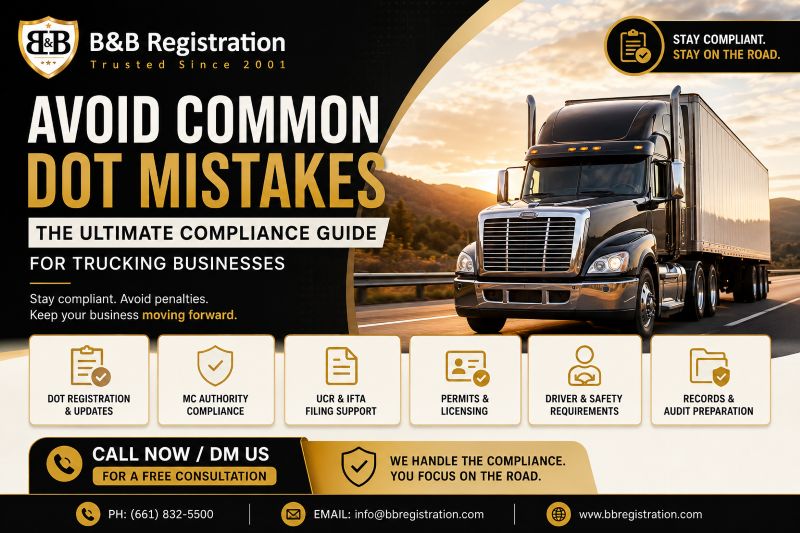
- USDOT Number Updates
- MC Authority
- Unified Carrier Registration (UCR)
- International Registration Plan (IRP)
- International Fuel Tax Agreement (IFTA)
- State permits
Missing renewal deadlines can result in fines and interruptions to your operations.
How to Avoid It
- Maintain a compliance calendar.
- Set renewal reminders well in advance.
- Work with a compliance service provider.
- Review permit expiration dates monthly.
Common DOT Mistake #2: Poor Driver Qualification Files
DOT regulations require carriers to maintain complete Driver Qualification (DQ) Files.
Missing documents often include:
- Employment applications
- Motor Vehicle Records (MVRs)
- Medical certificates
- Road test certificates
- Annual reviews
Incomplete records are frequently discovered during audits.
How to Avoid It
Create a checklist for every driver file and conduct quarterly reviews to ensure all documentation remains current.
Common DOT Mistake #3: Hours of Service Violations
Hours of Service (HOS) violations remain among the most common DOT citations.
Examples include:
- Exceeding driving limits
- Failing to take required breaks
- Incorrect ELD usage
- Inaccurate log entries
These violations increase accident risks and can negatively impact your safety score.
How to Avoid It
- Train drivers regularly.
- Monitor ELD reports.
- Address violations immediately.
- Conduct internal audits.
Common DOT Mistake #4: Vehicle Inspection Failures
Routine inspections are essential for maintaining safety and compliance.
Common issues include:
- Brake defects
- Tire problems
- Lighting failures
- Suspension issues
- Missing inspection reports
Poor vehicle maintenance can lead to roadside violations and out-of-service orders.
How to Avoid It
Implement preventive maintenance schedules and ensure drivers perform thorough pre-trip and post-trip inspections.
Common DOT Mistake #5: Inaccurate IFTA Reporting
IFTA reporting errors can trigger audits and penalties.
Common mistakes include:
- Incorrect mileage reporting
- Missing fuel receipts
- Late filings
- Inaccurate jurisdiction reporting
How to Avoid It
- Keep organized fuel records.
- Use mileage tracking systems.
- Reconcile reports before filing.
- Submit reports before deadlines.
Common DOT Mistake #6: Failure to Maintain Drug and Alcohol Compliance
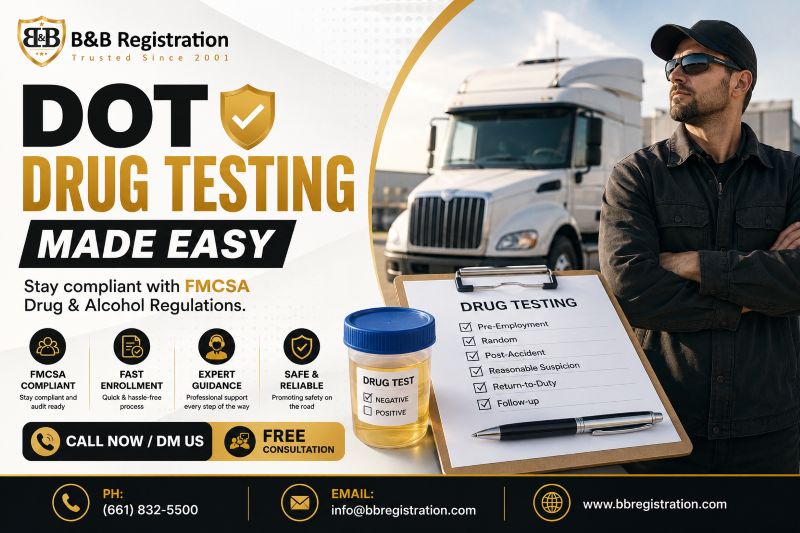
DOT-regulated drivers must comply with strict drug and alcohol testing requirements.
Common violations include:
- Missing random tests
- Incomplete testing records
- Failure to register with required clearinghouse systems
How to Avoid It
Partner with a compliance provider to manage testing schedules and recordkeeping requirements.
Common DOT Mistake #7: Ignoring DOT Audit Preparation
Many carriers only focus on compliance after receiving an audit notice.
This reactive approach often results in:
- Missing documentation
- Increased violations
- Higher penalties
How to Avoid It
Conduct regular internal audits and maintain organized compliance records throughout the year.
Common DOT Mistake #8: Neglecting Safety Scores
The Federal Motor Carrier Safety Administration (FMCSA) tracks carrier performance through safety measurements.
Poor safety scores can:
- Increase insurance costs
- Attract DOT scrutiny
- Affect business opportunities
How to Improve Safety Scores
- Address violations promptly.
- Train drivers regularly.
- Maintain equipment properly.
- Monitor inspection reports.
The Cost of Non-Compliance
Many trucking businesses underestimate the financial impact of DOT violations.
Potential costs include:
- Thousands of dollars in fines
- Lost revenue from downtime
- Legal expenses
- Higher insurance premiums
- Reputation damage
Preventive compliance measures cost far less than correcting violations after they occur.
Benefits of Staying DOT Compliant
A strong compliance program offers several advantages:
Increased Profitability
Avoid fines and operational disruptions.
Improved Safety
Protect drivers and the public.
Better Reputation
Build trust with customers and brokers.
Lower Insurance Costs
Demonstrate reduced operational risk.
Business Growth
Focus on expanding your company instead of resolving compliance issues.
How B&B Registration Can Help
Managing DOT compliance can be overwhelming, especially for growing trucking companies. B&B Registration provides expert support for truck owners, owner-operators, and fleet managers.
Our services include:
- DOT Compliance Assistance
- MC Authority Services
- IFTA Filing
- IRP Registration
- UCR Filing
- Permit Renewals
- Compliance Consulting
Our experienced team helps trucking businesses stay compliant, avoid penalties, and keep trucks on the road.
Conclusion
DOT compliance is not something trucking companies can afford to ignore. Small mistakes can quickly become costly problems that impact your operations and profitability.
By staying organized, maintaining accurate records, monitoring safety performance, and keeping registrations current, you can protect your business and avoid unnecessary penalties.
If you need assistance with DOT compliance, permit renewals, IFTA filing, or trucking registrations, B&B Registration is here to help.