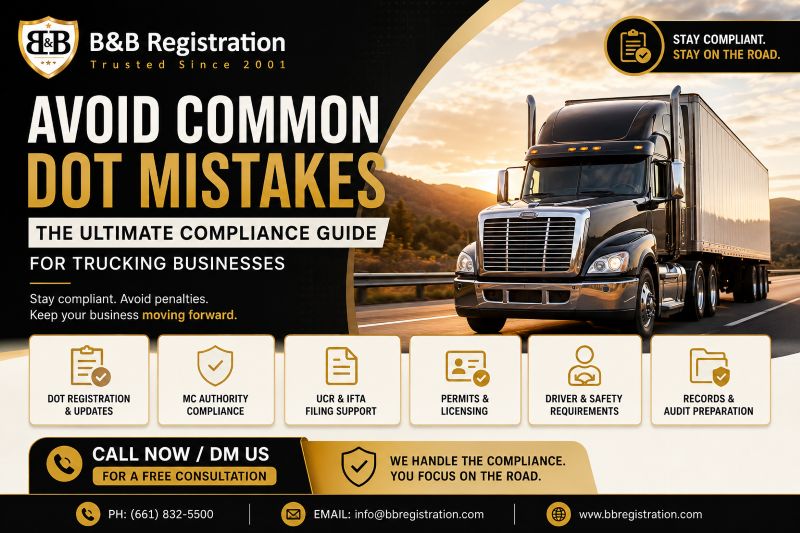
DOT compliance refers to following all regulations established by the Federal Motor Carrier Safety Administration (FMCSA) and the Department of Transportation (DOT).
These regulations are designed to ensure:
- Highway safety
- Driver qualification standards
- Proper vehicle maintenance
- Accurate recordkeeping
- Legal operating authority
- Drug and alcohol testing compliance
Failure to comply can result in:
- Heavy fines
- Out-of-service orders
- Increased insurance premiums
- Loss of operating authority
- Poor safety ratings
Why DOT Compliance Matters More in 2026
Federal agencies continue increasing their focus on safety and accountability.
Carriers are facing:
Increased Audit Activity
New trucking companies are being audited more frequently than ever. FMCSA closely monitors safety performance and compliance records during the first years of operation.
Higher Financial Penalties
Many violations now carry penalties that can cost thousands of dollars per incident.
Electronic Monitoring
With ELDs, electronic reporting systems, and digital compliance tracking, regulators have more visibility into carrier operations than ever before.
Insurance Challenges
Insurance providers increasingly review safety records and compliance histories before issuing or renewing policies.
A poor compliance record can dramatically increase operating costs.
Common DOT Compliance Mistakes Trucking Companies Make
1. Missing Driver Qualification Files
Every commercial driver must have a complete Driver Qualification (DQ) file.
Missing documents often include:
- Employment applications
- Medical certificates
- Motor vehicle records
- Road test certificates
- Annual reviews
Incomplete files are one of the most common audit findings.
2. Hours-of-Service Violations
Hours-of-Service (HOS) violations continue to be a major concern.
Common mistakes include:
- Exceeding driving limits
- Inaccurate logs
- Failure to maintain ELD records
- Missing supporting documentation
These violations can negatively impact safety scores.
3. Poor Vehicle Maintenance Records
DOT regulations require carriers to maintain detailed records for inspections, repairs, and maintenance.
Common issues include:
- Missing inspection reports
- Unrecorded repairs
- Overdue maintenance schedules
These mistakes often lead to roadside inspection violations.
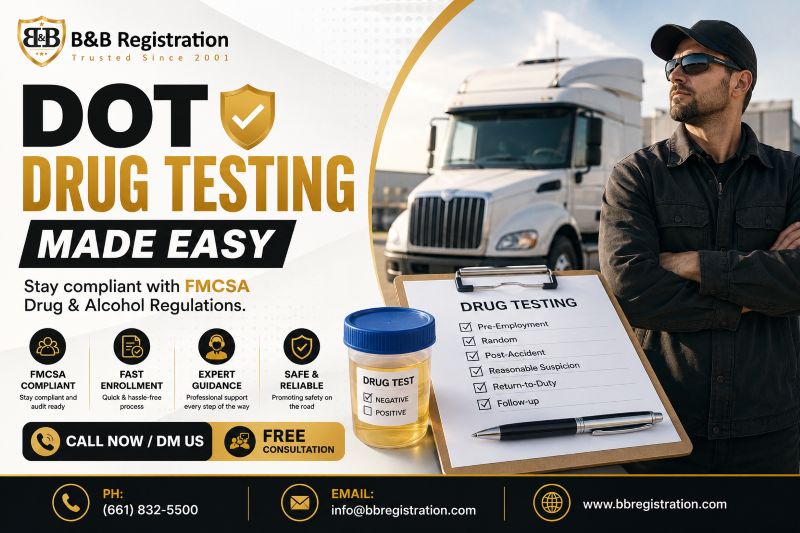
4. Drug and Alcohol Testing Non-Compliance
Companies must comply with FMCSA drug and alcohol testing requirements.
This includes:
- Pre-employment testing
- Random testing programs
- Post-accident testing
- Reasonable suspicion testing
Missing even one required test can result in significant penalties.
5. Expired Registrations and Permits
Many carriers lose track of renewal deadlines.
Commonly overlooked items include:
- DOT Number updates
- MC Authority requirements
- Unified Carrier Registration (UCR)
- IFTA filings
- IRP renewals
- BOC-3 filings
Missing deadlines can interrupt operations and create legal issues.
Understanding DOT Audits
A DOT audit evaluates whether your business complies with federal safety regulations.
Auditors typically review:
- Driver records
- Vehicle maintenance records
- Insurance documentation
- Drug testing programs
- Hours-of-Service records
- Accident reports
Being prepared before an audit occurs is the best way to avoid costly findings.
How to Prepare for a DOT Audit
Organize All Required Documentation
Maintain digital and physical copies of:
- Driver files
- Vehicle records
- Inspection reports
- Insurance certificates
- Operating authority documents
Conduct Internal Reviews
Regular compliance reviews help identify problems before regulators do.
Train Drivers Regularly
Driver education reduces violations and improves safety performance.
Topics should include:
- Hours-of-Service compliance
- Vehicle inspections
- Drug and alcohol regulations
- Accident reporting procedures
Use Professional Compliance Services
Many successful carriers rely on compliance specialists to monitor deadlines, filings, and regulatory requirements.
Benefits of Staying DOT Compliant
Reduced Risk of Penalties
Compliance significantly lowers the chances of expensive fines and violations.
Better Safety Scores
Strong compliance practices improve CSA scores and safety ratings.
Lower Insurance Costs
Insurance providers often reward safer carriers with better rates.
Increased Customer Trust
Shippers and brokers prefer working with carriers that demonstrate strong safety and compliance records.
Business Growth Opportunities
A clean compliance record helps carriers qualify for larger contracts and long-term business relationships.
DOT Compliance Checklist for 2026
Before operating, ensure you have:
✅ Active DOT Number
✅ Valid MC Authority
✅ Current Insurance Coverage
✅ BOC-3 Filing
✅ UCR Registration
✅ Driver Qualification Files
✅ Drug & Alcohol Testing Program
✅ Vehicle Maintenance Records
✅ ELD Compliance
✅ IFTA and IRP Compliance
✅ Safety Management Procedures
How B&B Registration Helps Trucking Companies Stay Compliant
For over two decades, B&B Registration has helped trucking businesses navigate complex DOT and FMCSA requirements.
Our compliance services include:
- DOT Number Registration
- MC Authority Applications
- UCR Filing
- BOC-3 Filing
- IFTA Support
- IRP Assistance
- Compliance Reviews
- Audit Preparation
- Registration Renewals
Our goal is simple: help trucking businesses stay compliant, avoid penalties, and keep their trucks on the road.